
What a good home glute routine looks like
Your glutes extend, rotate and stabilize the hips, so the best routines train them from several angles. A mat and some floor space are enough to start, and a band or a pair of dumbbells covers almost everything else. Every workout below is filtered for glute focus, from short targeted sessions to full lower-body workouts.
The five movement patterns
Most well-rounded glute routines mix these patterns:
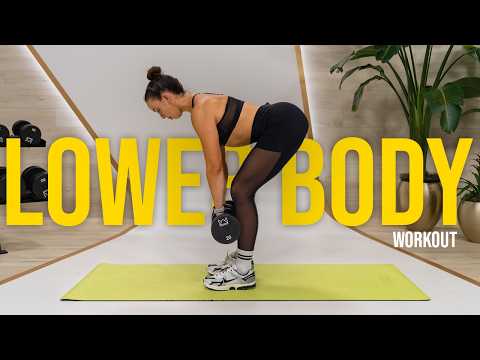
- Hip hinge: good mornings and Romanian deadlifts, on two legs or one.
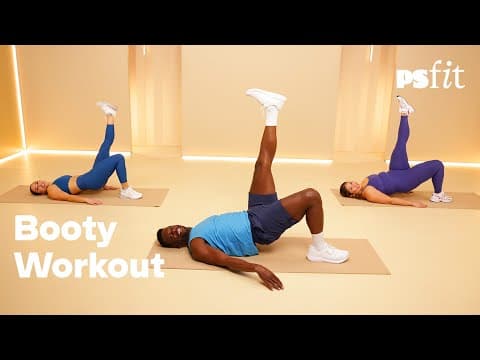
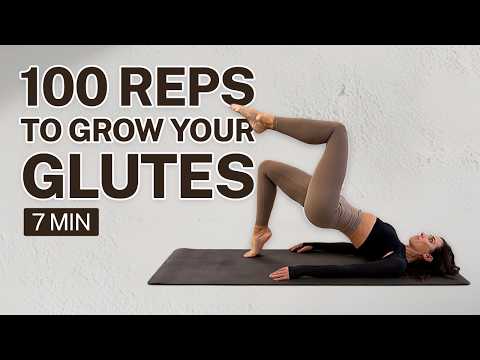
- Bridge and hip thrust: glute bridges on the floor, or hip thrusts with your upper back on the sofa.
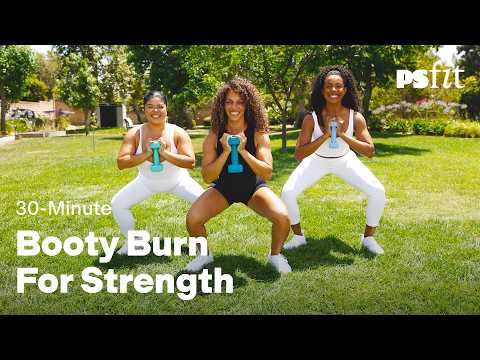
- Squat: bodyweight, goblet or sumo squats, sitting back and down with control.
- Lunge: reverse lunges, split squats and step-ups onto a sturdy step.
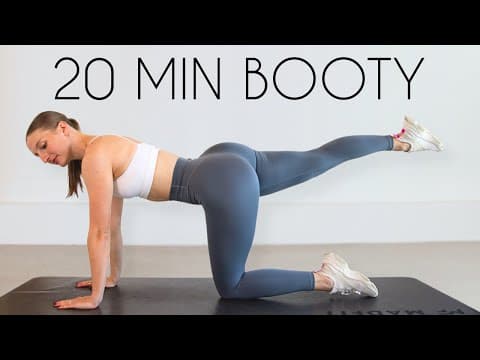
- Abduction: side-lying leg raises, clamshells and banded side steps.
Bodyweight, bands or dumbbells?
Bodyweight is enough to learn the patterns, especially with slow reps and single-leg work. A mini band adds tension to bridges, squats and abduction moves for very little money and no noise. Dumbbells or a kettlebell let you keep adding load to hinges, thrusts and lunges once bodyweight feels easy. Start with what you have and add equipment when progress stalls.
How often to train glutes
Two or three glute-focused sessions a week, with a day in between, work well for many people. Full-body days count too, because their squats and lunges also train the glutes. Here is a simple week:
- Monday: glute session, 20 to 30 minutes
- Wednesday: full-body strength
- Friday: glute session with different exercises
- Weekend: walk, stretch or rest
How to progress
Change one variable at a time and keep it for a week or two:
- Slow down: lower over three seconds and pause at the top of each bridge or thrust.
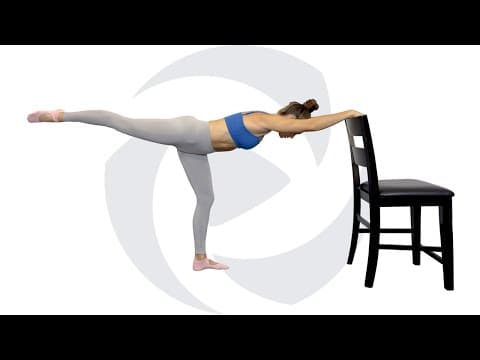
- Go single-leg: single-leg bridges, split squats and single-leg deadlifts.
- Add range: hip thrusts with your shoulders on the sofa, then Bulgarian split squats with your back foot on a sturdy chair.
- Add load: a dumbbell, a band or a loaded backpack, increased gradually.
Common mistakes to avoid
Knees caving inward during squats and lunges is the most common one: keep them in line with your toes, using a band above the knees as a reminder. The second is letting your lower back take over in bridges and hinges. Keep your ribs down, squeeze your glutes to finish each rep and stop when your hips are straight instead of arching higher. If you feel pain in your knees, hips or back, shorten the range and check with a physiotherapist.
Frequently asked questions
Can I build my glutes with bodyweight only?
You can make good progress, especially at the start, with slow tempo and single-leg variations. Over time, bands or weights make it easier to keep progressing.
Should I feel glute exercises in my lower back?
It should not be the main sensation. If it is, reduce the range, slow down and check your position, and see a professional if the pain persists.