












Staying active at home is one of the simplest ways to keep doing what you enjoy as you get older. This guide to exercises for seniors explains what to combine, gives you an easy weekly routine and helps you choose among the videos on this page: gentle strength, balance, mobility and light cardio, many with chair options.
The four building blocks
A balanced week mixes four types of exercise:
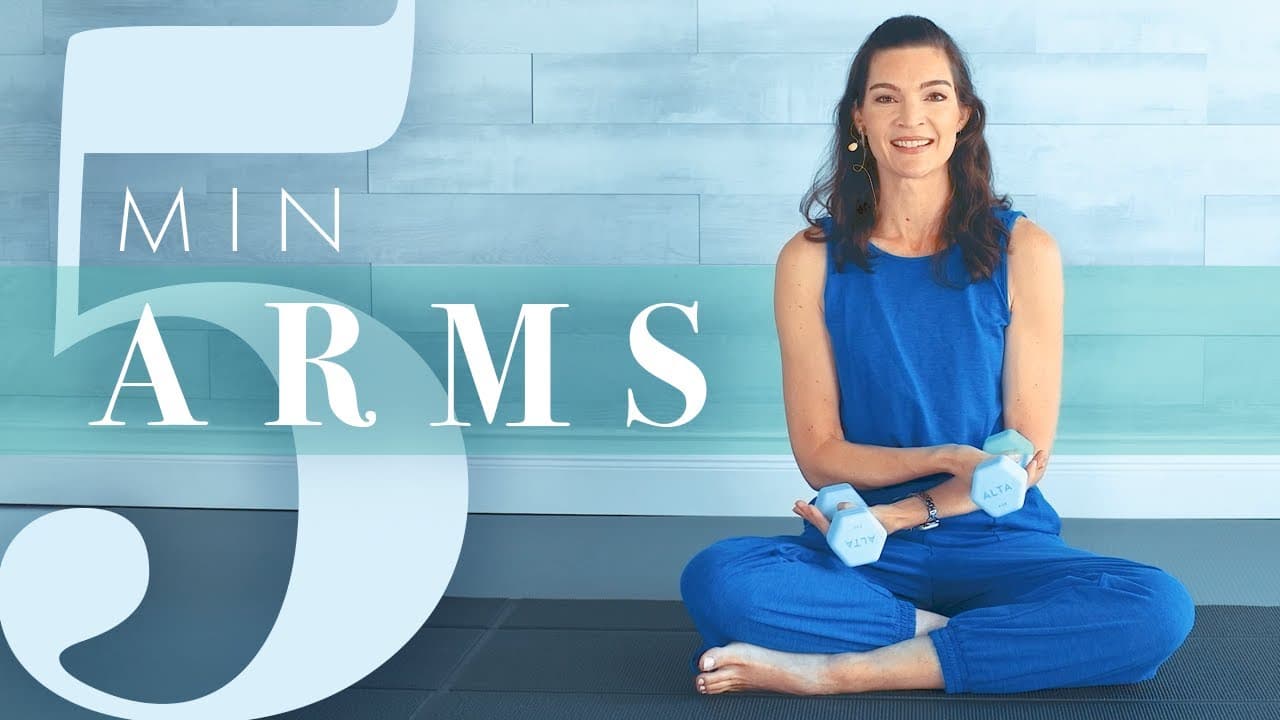
- Strength: standing up from a chair, heel raises and rows with light dumbbells, which help with stairs and carrying shopping.
- Balance: standing on one foot while holding a chair, heel-to-toe walking and side steps.
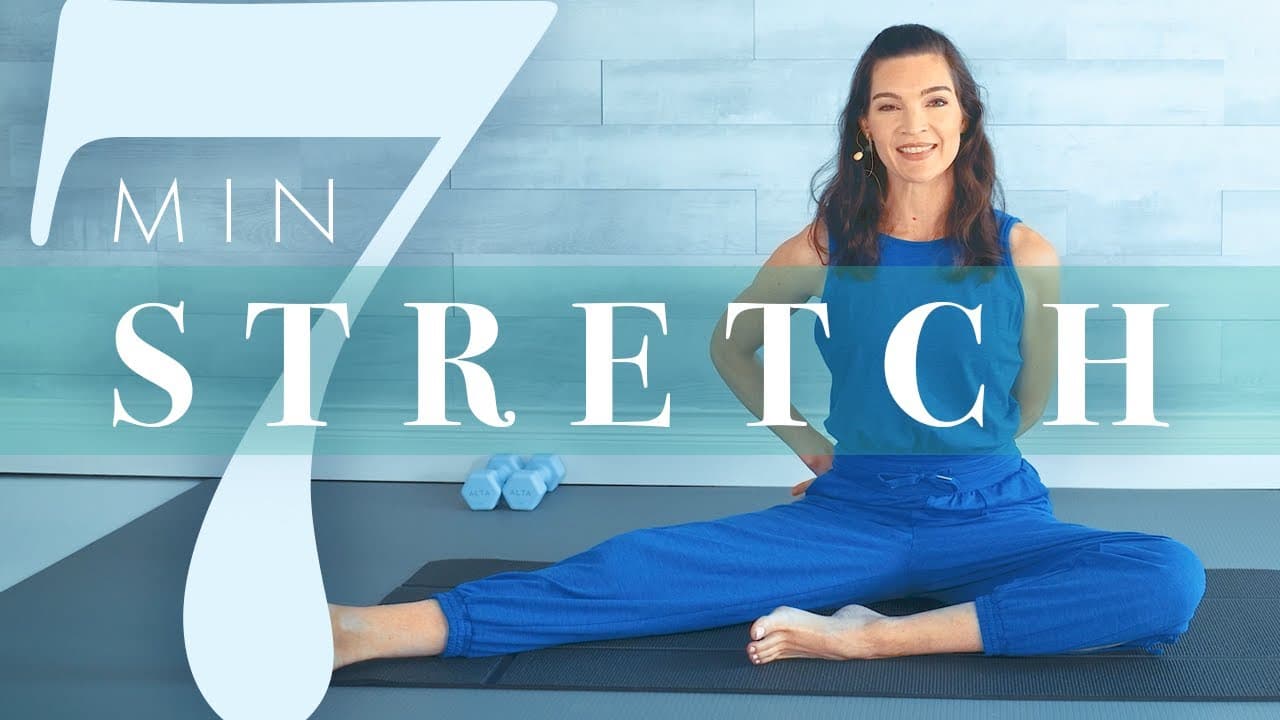
- Mobility: shoulder and ankle circles, gentle trunk turns and easy stretches.
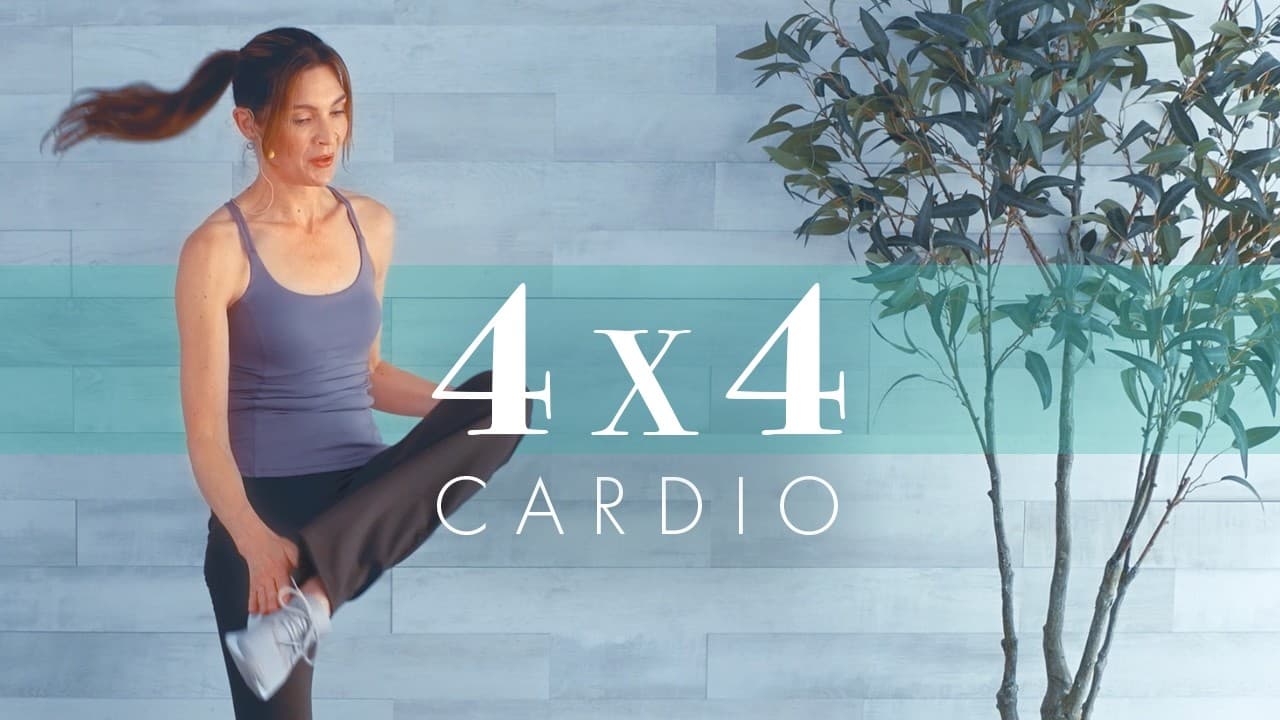
- Gentle cardio: marching in place, low impact dance or a guided walk at home.
What a session looks like
Most sessions here last 10 to 35 minutes. A simple structure:
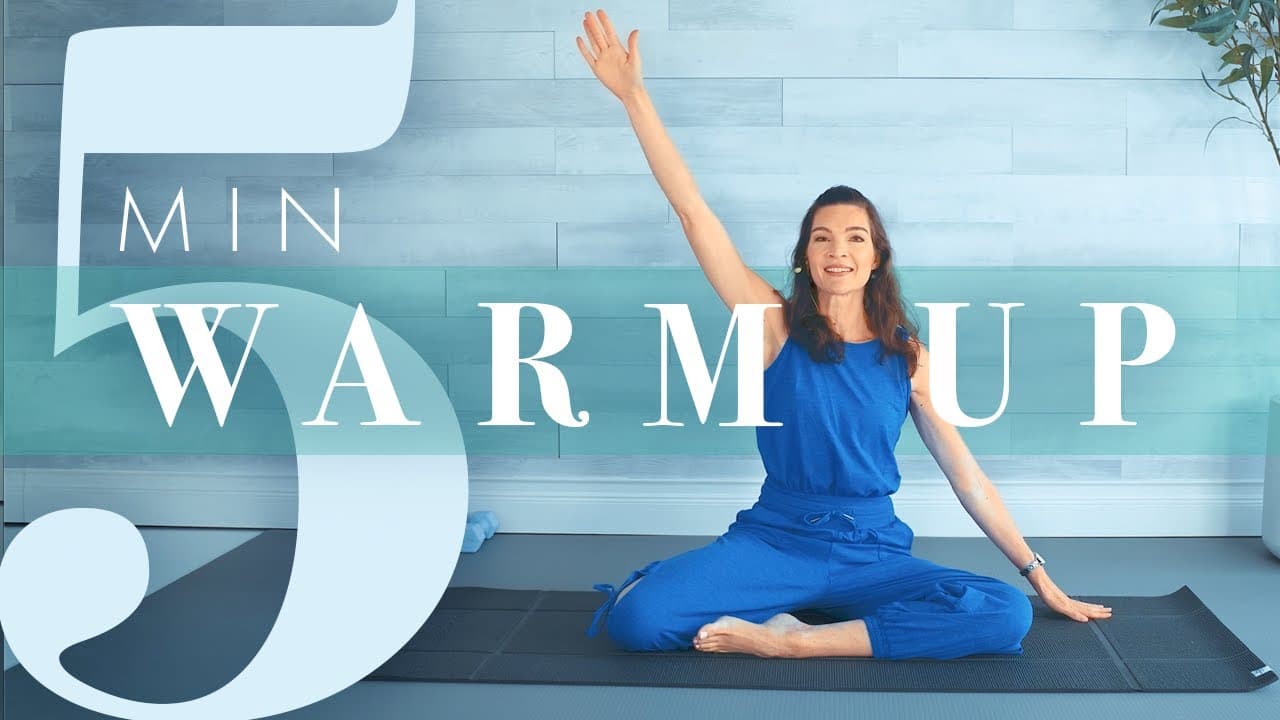
- Warm-up, about 5 minutes: march in place and gently move each joint.
- Main part, 10 to 20 minutes: strength and balance, resting whenever you need to.
- Cool-down, about 5 minutes: slow breathing and gentle stretches.
Starting out, 10 to 15 minutes is plenty.
An easy weekly routine
- Monday: strength, 15 to 20 minutes, standing or seated.
- Tuesday: a 10 to 20 minute walk, indoors or outside.
- Wednesday: balance and mobility, about 15 minutes.
- Thursday: rest or light stretching.
- Friday: strength again, with a different video.
- Saturday: gentle cardio, such as low impact dance.
- Sunday: rest.
Move the days to suit you, but keep a day between strength sessions.
How to choose a video
Each card shows the length, level and equipment:
- Unsteady on your feet or returning to exercise? Start with chair workouts. For seated-only sessions, see our chair exercises for seniors guide.
- Standing routines train balance more; keep a sturdy chair within reach.
- Some use light dumbbells; water bottles work fine at first.
- Skip floor work if getting down and back up is hard.
Progress gently
After two or three weeks, change one thing: a few more repetitions or minutes, a slightly heavier weight or less hand support. During cardio, use the talk test: you should still be able to speak in short sentences.
Safety first
Check with your doctor before starting if you have a heart, lung or joint condition, have had a recent fall or surgery, or take medication that can make you dizzy. While you exercise:
- Clear loose rugs and wear closed, non-slip shoes.
- Keep a sturdy chair against the wall for support.
- Breathe normally and never hold your breath.
- Stop at once if you feel chest pain, dizziness, unusual breathlessness or sharp pain, and seek medical advice.
Frequently asked questions
What are the best exercises for seniors?
Those that mix strength, balance, mobility and gentle cardio and that you can repeat each week without pain, such as chair stands, walking and stretching.
How often should older adults exercise?
Moving a little every day is ideal. Many public health guidelines suggest strength work on at least two days a week, plus regular balance and aerobic activity, adapted to your health.
Is it too late to start at 70 or 80?
No. Start gently with short sessions and a chair for support, and check with your doctor first, especially if you have not exercised for a long time.