Why no-jumping workouts work
Jumping is one way to raise your heart rate, not the only one. A quiet session built on big, controlled movements can leave you just as out of breath without thumping on the ceiling below. It also fits at 6 a.m. or late at night, and suits anyone whose knees, ankles or back dislike impact.
How to raise your heart rate without jumping
Without the air time, the effort has to come from somewhere else. Three levers do most of the work:
- Tempo: keep moving with short rests, or lower each rep over three seconds.
- Range: squat deeper, lunge longer and reach fully overhead.
- Density: more work in the same time, such as 40 seconds on and 20 off instead of 30/30.
Quiet swaps for noisy exercises
Most high-impact moves have a low-impact twin that trains the same pattern:
- Jumping jacks: step one foot out at a time and swing both arms overhead.
- Burpees: walk your feet back to a plank, add a push-up if you like, walk in and stand tall.
- High knees: fast marching with knees to hip height and a strong arm drive.
- Jump squats: squat to calf raise, or a slow squat with a pause at the bottom.
- Jump lunges: alternating reverse lunges at a steady rhythm.
- Mountain climbers: slow knee drives from a plank, stepping instead of hopping.
Floor, space and shoes
A thick mat absorbs much of the noise from steps and kneeling work, especially with a rug underneath. Barefoot or grippy socks are usually quieter than shoes; if you wear shoes, pick soft soles and roll through the whole foot instead of stamping on your heel. Clear room to step sideways and reach overhead, and avoid ordinary socks on wooden or tiled floors.
A sample quiet week
Three or four sessions are plenty. Pick from the workouts below and leave a day between the hardest ones:
- Monday: 20 to 30 minute full-body strength session
- Tuesday: 20 minutes of indoor walking or low-impact cardio
- Thursday: low-impact intervals using the swaps above
- Saturday: strength again, then 10 minutes of stretching
- Other days: rest or an easy walk outside
How to progress and pick a video
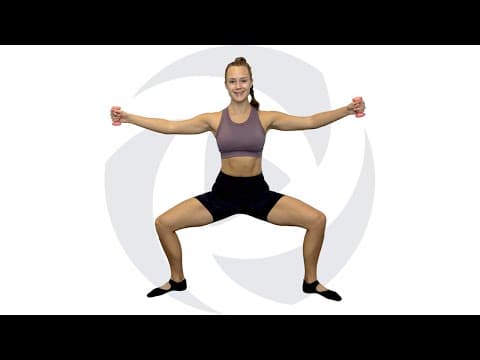
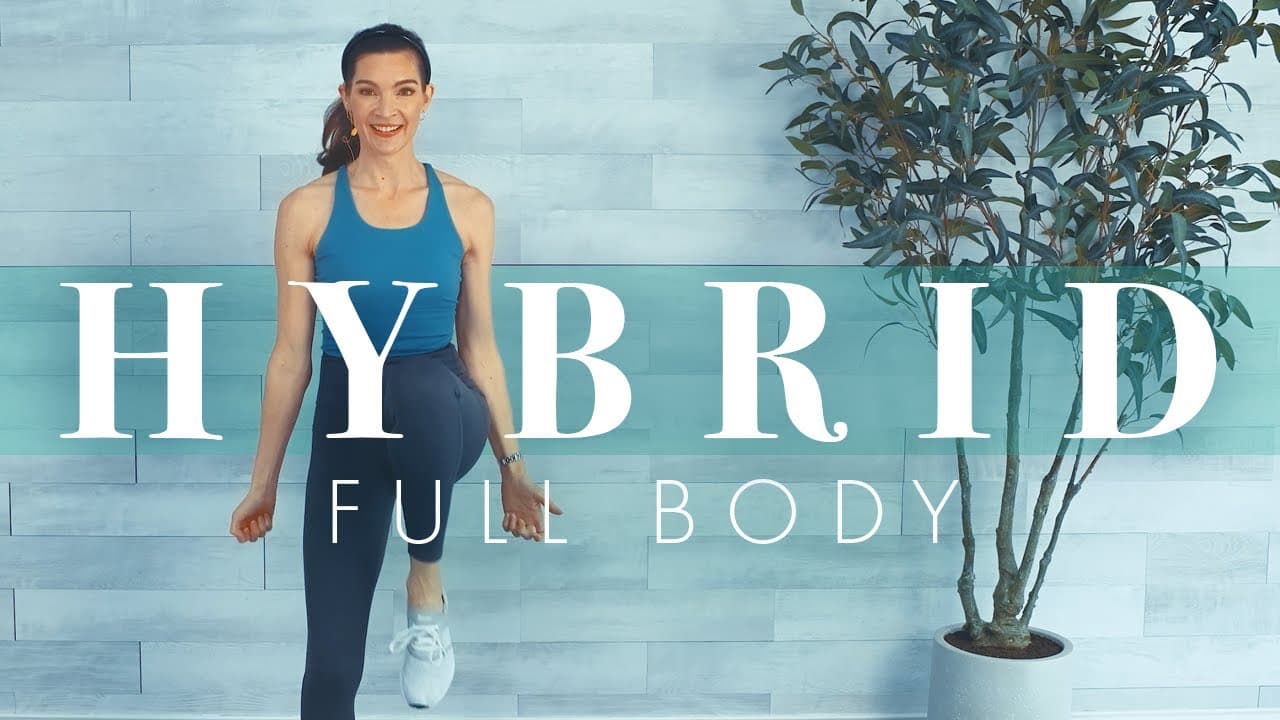
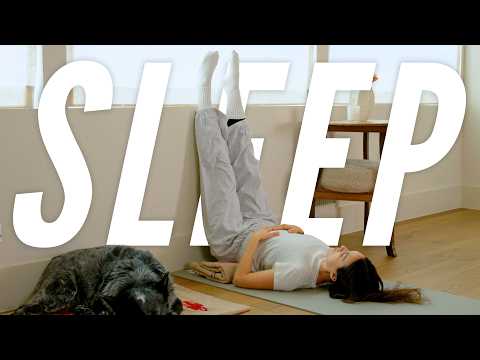
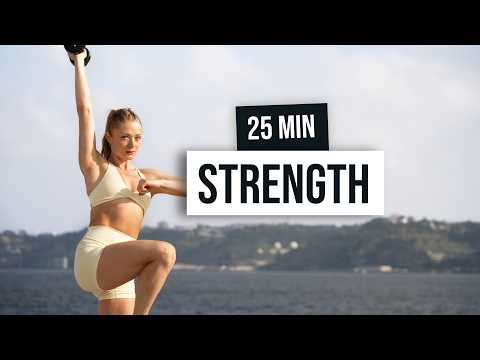
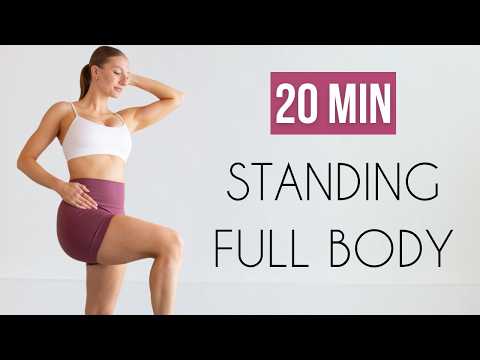
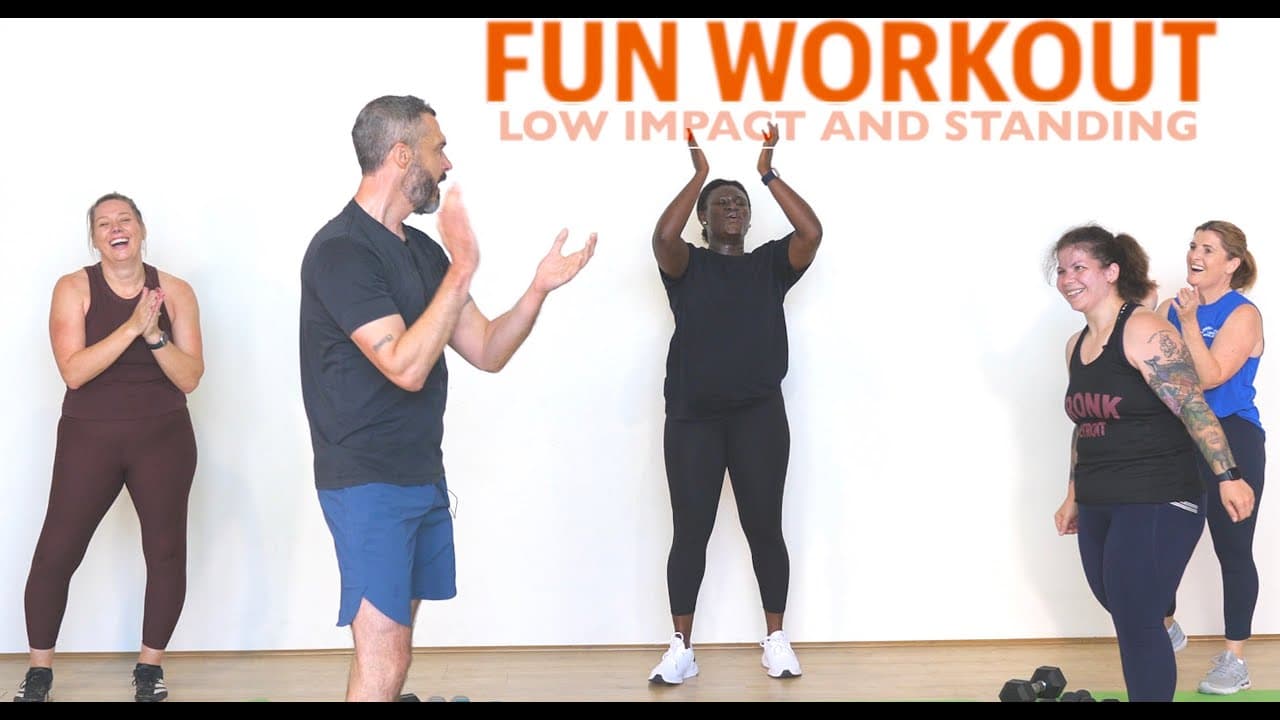
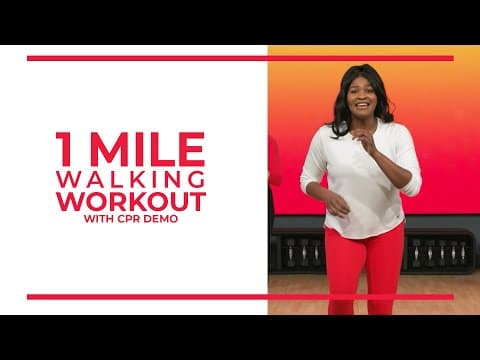
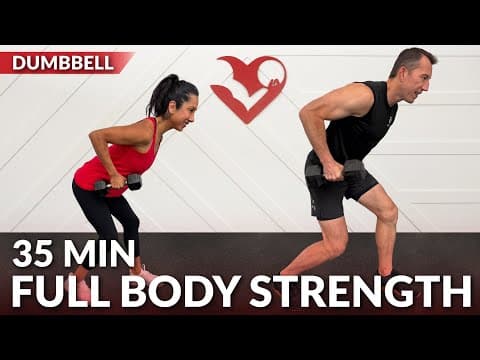
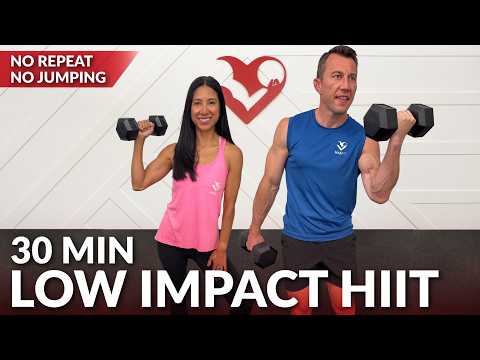
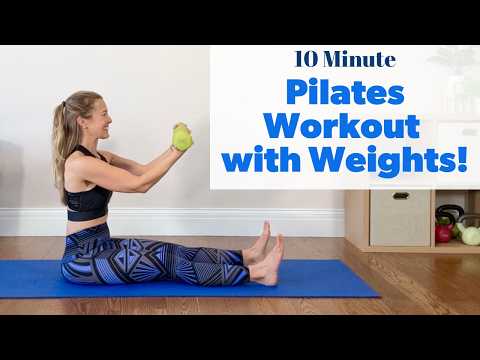
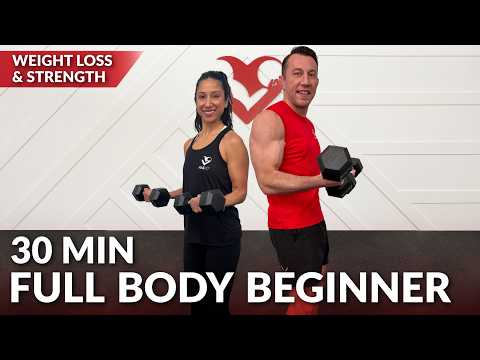
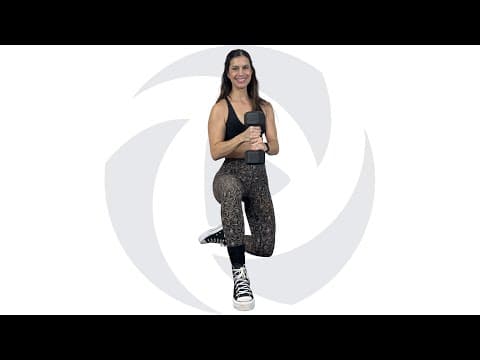
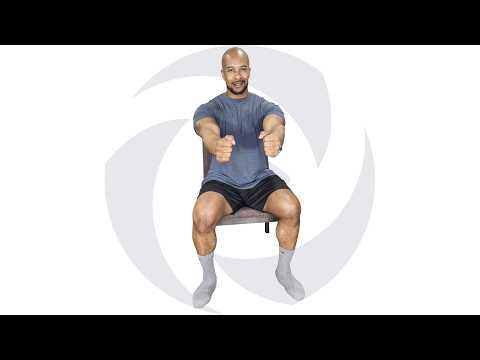
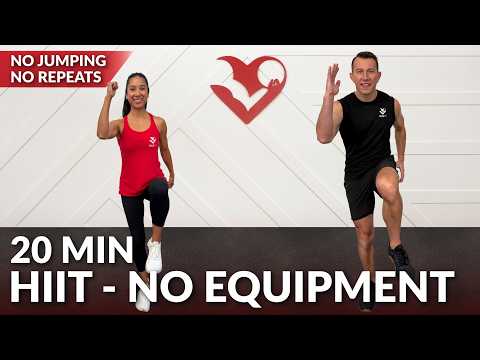
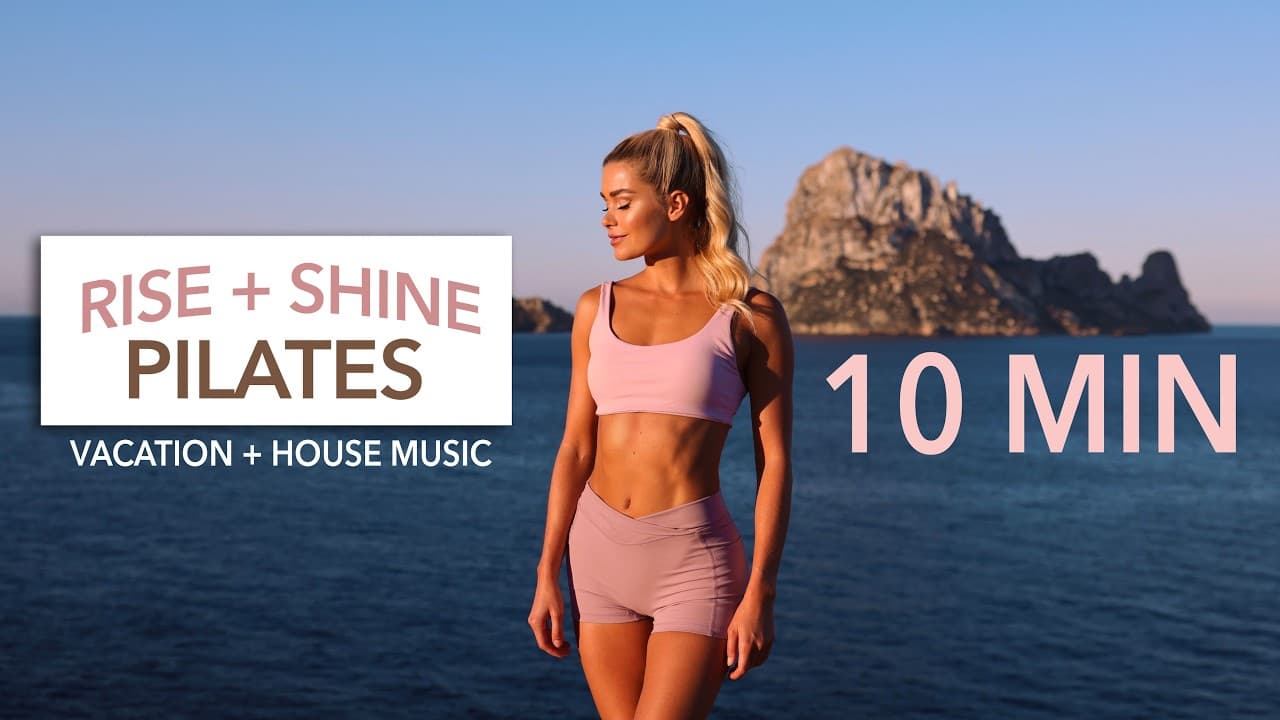
Repeat the plan for one or two weeks, then change one thing at a time: five more minutes, a slower lowering phase, shorter rests, or dumbbells or a loaded backpack for squats and lunges. Each card below shows duration and level; if you are new, start with the shorter beginner sessions. Stop and check with a professional if you feel joint pain, dizziness or chest discomfort.
Frequently asked questions
Can no-jumping workouts help with weight loss?
They can be part of it. A quiet session still uses energy and builds strength, but results depend mostly on consistency, daily activity and diet.
What if my neighbors can still hear me?
Put a rug under your mat, slow down stepping moves and keep cardio for daytime; early mornings and late evenings suit strength or pilates.